
Handwriting and Brain Processes – What Happens in Our Brain When We Write?

For many people, handwriting now seems like a slow and outdated method in a digital world.
We take notes on laptops, send messages on our phones, and rarely pick up a pen anymore.
But what actually happens in our brain when we do?
The answer is surprising: handwriting is one of the most complex neurological activities we perform in everyday life.
The First Big Step Toward Planting Many, Many Trees!

We are incredibly happy to announce that on May 8th, the agreement between our company and 10 Million Trees was officially signed.
How Many Trees and How Much Water Do We Use for Note-Taking – and How Can You Reduce It?
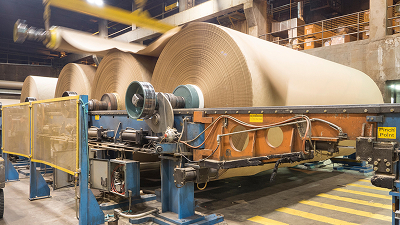
Paper is made from trees. That is not news.
What is much harder to visualize, however, is the scale of it.
On average, one tree can produce roughly 8,000–10,000 sheets of paper. At first glance, that sounds like a lot — but when we break it down into everyday use, the picture changes.
1 vs 50 Notebooks – How Much Can You Save During University?

There is a moment at the beginning of almost every semester when you walk into a stationery store and start throwing notebooks into your basket.
Handwriting and Learning – Why Do We Remember Better What We Write Down?

In the digital world, we put pen to paper less and less often. We take notes on laptops, copy important sections, save things for later — yet we often feel that despite “studying,” very little actually stays with us.
At the same time, many people experience a curious phenomenon: things we once wrote down by hand are easier to remember later. This is not simply a matter of habit, but a result of how the brain works.
Handwriting and Note-Taking – How Can You Take Notes in a Way That Really Helps You Think?
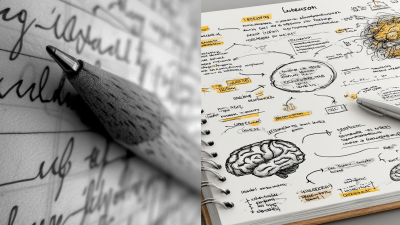
Many of us take notes. During lectures, meetings, or while studying—we write, type, or highlight. Yet it often happens that when we look back at our notes later, they’re of little help. The words are there, but there’s no real understanding behind them.